

LENS Neurofeedback


Helping your brain
find its balance again
A lot of what we struggle with, like anxiety, low mood, poor sleep, and trouble focusing, comes from a brain that's dysregulated, not broken. It gets stuck in patterns it can't shake on its own. Neurofeedback helps it get unstuck.
The details
LENS Neurofeedback
What is neurofeedback?
Neurofeedback is a type of biofeedback for the brain. Small sensors read your brain's electrical activity, and that information is used to help your brain regulate itself. It's been studied and used clinically since the 1960s. [Verify history line before publishing]
How LENS works
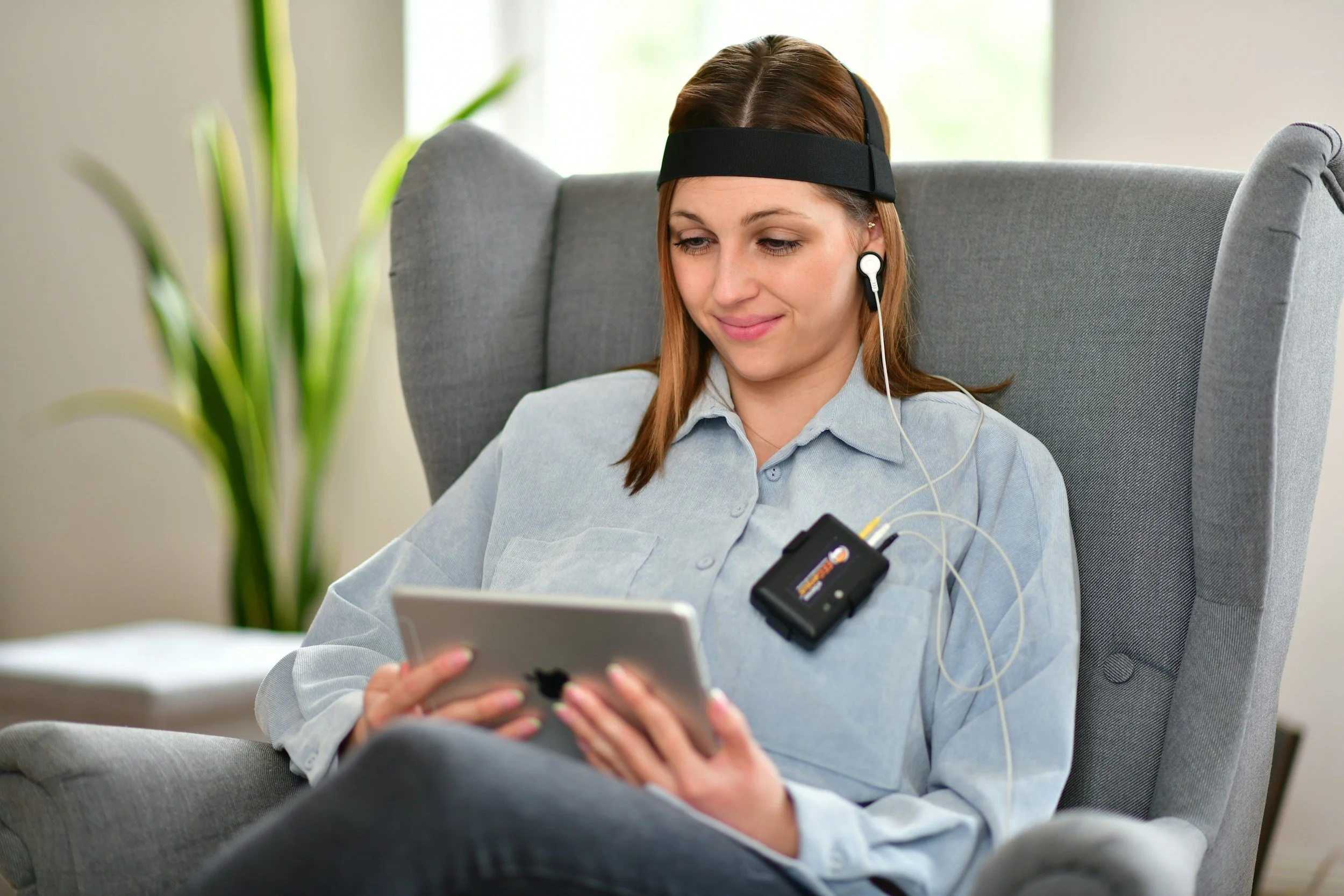
LENS (Low Energy Neurofeedback System) is a gentler, faster form of neurofeedback. A few small sensors are placed on your head or body, depending on what works best for you, and the system sends a tiny signal, about 1/1,000th of what a cell phone gives off. That signal nudges your brain out of the patterns it's been stuck in and supports its natural ability to return to a regulated state.
The signal itself lasts just a few seconds, and most people don't feel anything at all.

What a session looks like
We chat about your week and what you're noticing.
I place a few small sensors, and then the system does its work.
About 20 minutes later, you're on your way.

Who it can help
People with anxiety and a brain that won't shut off
Depression and low mood
Trauma
ADHD, focus, and motivation
Trouble sleeping
Substance use
From age 3 to adulthood


The science behind neurofeedback
It dates back to the 1960s, when researchers discovered people could learn to change their own brainwave patterns. Its first clinical use was helping people with epilepsy, and by the 1970s it was being studied for ADHD.
Decades of use and research later, it's used for everything from anxiety to sleep. It works with something your brain already does. Your brain is always building and strengthening pathways based on your experiences. Sometimes those pathways settle into patterns that keep you stuck: on high alert, unable to rest, foggy.
Neurofeedback helps interrupt those patterns, giving your brain room to find healthier ones.


How LENS compares
to traditional neurofeedback
Traditional neurofeedback
45 to 60 minutes
Watch a screen and stay engaged
20 to 40 sessions
LENS
About 20 minutes
Nothing. Just sit back
Often a couple of months; some finish in 6
◆ FAQs
-
Typical neurofeedback can take 20-40 sessions to be effective, while clients can complete LENS in 8-20 sessions. Not only is it taking less time and money to complete, people feel relief more quickly. Another key difference is the amount of time the session takes. EEG neurofeedback sessions are scheduled for 30-60 minutes at a time. LENS sessions are scheduled for 20 minutes and may take less than 10.
-
No, it does not hurt. A very small number of clients do report feeling a small tingle.
-
No. But if you are doing therapy with me or another provider, you will see improvement in your treatment. LENS supports regulation which is so much of what we work on in therapy.
-
Treatment can be completed in 8-20 sessions. Most clients feel significantly better in the first three sessions.
-
Yes! LENS is safe for safe for kids. More so, it's a great treatment for kids who can't engage or sit still for the 30+ minutes that many other treatments demand.
-
Absolutely. You can do LENS while you are on medication. In fact, LENS can be a great treatment for people who are looking to decrease or eliminate their medications.
Note, all medication changes should be done under the supervision of your prescribing provider.